Graphic & Web Design

WordPress/PHP Developer

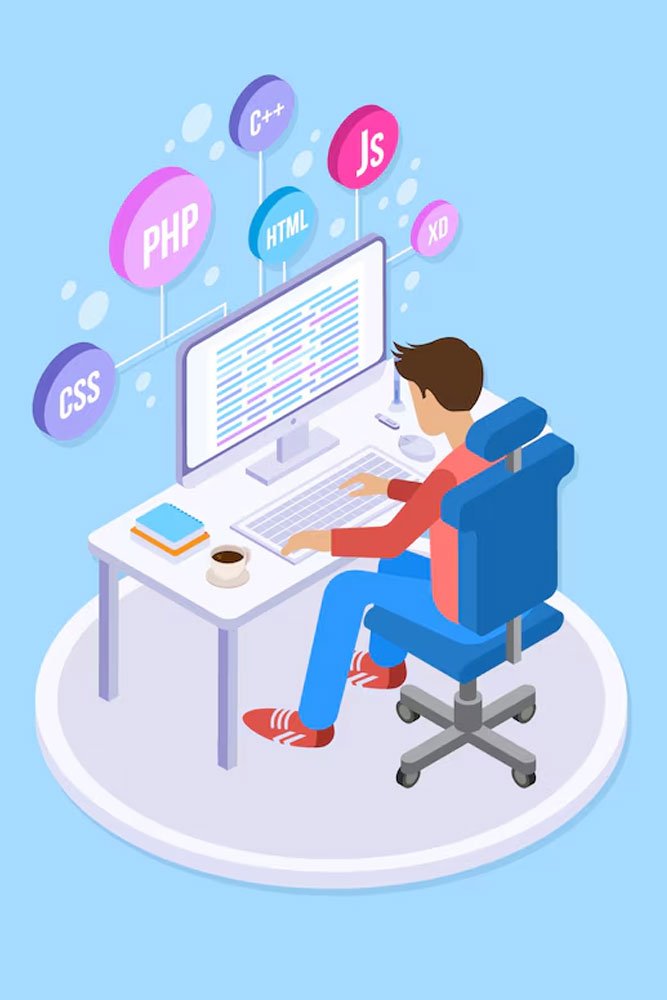
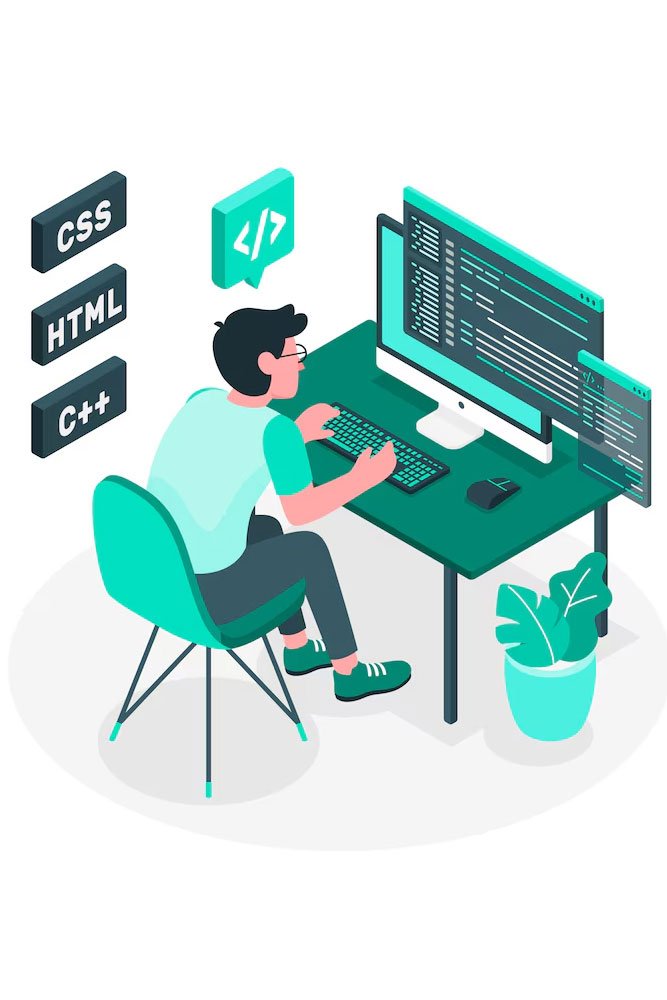
A WordPress/PHP Developer is a skilled professional focused on building and maintaining websites using the WordPress platform and PHP programming language. They possess deep expertise in customizing WordPress themes, responsive web design and plugins to meet specific business requirements, ensuring that websites are both visually appealing and highly functional.

These developers are proficient in PHP, HTML, CSS3, and JavaScript, allowing them to create custom functionalities and improve website performance. Knowledge of MVC design pattern and tools like GIT. Additionally, they are well-versed in database management, particularly with MySQL, which is essential for handling the backend operations of WordPress sites. A WordPress/PHP Developer is also responsible for ensuring website security, optimizing for SEO, and providing ongoing support and maintenance. Their ability to seamlessly integrate third-party services and APIs further enhances the website’s capabilities, making them invaluable in delivering robust, scalable, and efficient web solutions tailored to the unique needs of businesses.
Wordpress-PHP-Developer-image

Visualizer

he Visualizer will be responsible for conceptualizing and creating visually compelling designs that align with our clients’ branding and marketing objectives.

Key Responsibilities

  • Concept Development: Collaborate with clients and internal teams to understand project requirements and develop innovative visual concepts that meet their needs.
  • Design Creation: Produce high-quality designs for various media, including print, digital, and social platforms. This includes advertisements, brochures, websites, social media content, and more.
  • Visualization: Translate ideas and concepts into visually engaging graphics, illustrations, and layouts. Ensure designs are visually appealing and effectively communicate the intended message.
  • Brand Consistency: Maintain consistency with clients’ brand guidelines across all visual outputs. Ensure that all designs align with the overall brand strategy and marketing goals.
  • Feedback Incorporation: Receive and incorporate feedback from clients and team members to refine designs and achieve the desired outcome.
  • Trend Awareness: Stay updated with the latest design trends, tools, and technologies. Apply this knowledge to create fresh and contemporary designs.
  • Collaboration: Work closely with other designers, copywriters, and marketing professionals to deliver cohesive and effective visual solutions. Participate in brainstorming sessions and contribute creative ideas.

UX/UI Designer

A UX/UI Designer plays a pivotal role in bridging the gap between user needs and business goals by crafting intuitive and visually appealing digital experiences. They are responsible for understanding the user's journey and transforming complex requirements into seamless interactions and elegant designs. Through meticulous user research, wireframing, prototyping, and usability testing, UX/UI Designers ensure that every element of a product is both functional and aesthetically pleasing. Their expertise in design tools and principles, coupled with a deep understanding of user-centered design, allows them to create products that not only look good but also offer a superior user experience. In a rapidly evolving digital landscape, UX/UI Designers are essential in driving innovation and enhancing user satisfaction, ultimately contributing to a product's success and user loyalty.

Webflow Developer:

A Webflow Developer specializes in creating responsive, dynamic websites using the Webflow platform, blending the roles of design and development into a seamless workflow. These professionals are adept at translating intricate design concepts into fully functional websites, ensuring that the visual integrity of the design is maintained while optimizing for performance and user experience. By leveraging Webflow’s robust features and CMS capabilities, they can efficiently build, customize, and manage websites without extensive coding, though they possess a solid understanding of HTML, CSS, and JavaScript. Webflow Developers play a crucial role in modern web development, enabling businesses to launch visually stunning and highly functional websites quickly. Their work ensures that websites are not only aesthetically pleasing but also technically sound, scalable, and optimized for search engines, contributing significantly to a brand’s online presence and user engagement.

UX--UI-Design-image

Animation Artist

The Animation Artist will be responsible for creating high-quality animations for various projects, including films, television shows, video games, and marketing materials. This role requires a strong artistic vision, technical proficiency, and the ability to work collaboratively with other artists and production teams.

Key Responsibilities

  • Animation Creation: Develop and create high-quality animations that align with the project’s artistic direction and technical requirements.
  • Character Animation: Bring characters to life through expressive and fluid movement, ensuring they convey the intended emotions and actions.
  • Storyboard Collaboration: Work closely with storyboard artists and directors to understand and interpret storyboards and animatics into final animations.
  • Technical Proficiency: Utilize animation software and tools (e.g., Adobe Animate, Toon Boom Harmony, Maya) to create and refine animations.
  • Project Collaboration: Collaborate with other artists, designers, and production team members to ensure consistency and quality across all animation projects.
  • Revisions and Feedback: Incorporate feedback and make necessary revisions to animations, ensuring they meet the project’s quality standards.
  • Visual Effects: Create and integrate visual effects as needed to enhance the overall animation.
  • Timeline Management: Manage multiple projects and deadlines, ensuring timely delivery of high-quality animations.

CAD/CAM Specialist

The CAD/CAM Specialist will be responsible for creating and managing computer-aided design (CAD) and computer-aided manufacturing (CAM) programs. This role demands technical expertise, meticulous attention to detail, and the ability to collaborate effectively with engineering and production teams.

Key Responsibilities

  • CAD Design: Develop detailed 2D and 3D designs using CAD software (e.g., AutoCAD, SolidWorks) based on project specifications and requirements.
  • CAM Programming: Create and optimize CAM programs for CNC machines, ensuring efficient and accurate manufacturing processes.
  • Technical Documentation: Prepare and maintain technical documentation, including design drawings, specifications, and instructions.
  • Collaboration: Work closely with engineers, designers, and production teams to ensure designs are feasible and meet project requirements.
  • Quality Assurance: Conduct thorough reviews and testing of designs and CAM programs to ensure quality, accuracy, and functionality.
  • Troubleshooting: Identify and resolve design and manufacturing issues, providing technical support during the production process.
  • Process Improvement: Continuously evaluate and improve CAD/CAM processes to enhance efficiency and reduce production time.
  • Software Maintenance: Ensure CAD/CAM software is up-to-date and properly maintained, troubleshooting any technical issues that arise.
  • Training: Provide training and support to team members on CAD/CAM software and best practices.

DTP Specialist

The DTP Specialist will be responsible for performing desktop publishing tasks to create and edit various types of documents, including reports, brochures, manuals, and presentations. This role requires proficiency in desktop publishing software, strong attention to detail, and the ability to collaborate with team members to meet project deadlines.

Key Responsibilities

  • Document Layout: Use desktop publishing software (e.g., Adobe InDesign, QuarkXPress) to format and layout documents according to established guidelines and templates.
  • Text Formatting: Format and style text, headings, and paragraphs to ensure consistency and readability throughout documents.
  • Graphic Design: Incorporate graphics, images, charts, and other visual elements into documents, ensuring they enhance the overall presentation.
  • Proofreading: Review documents for spelling, grammar, and formatting errors, making necessary corrections and adjustments.
  • Version Control: Manage document versions and revisions, ensuring accuracy and consistency across multiple iterations.
  • File Conversion: Convert documents between different file formats as needed, ensuring compatibility and accessibility.
  • Quality Assurance: Conduct quality checks on final documents to ensure they meet quality standards and client expectations.
  • Collaboration: Coordinate with writers, editors, designers, and other team members to gather content and feedback, ensuring projects are completed on time and within scope.
  • Deadline Management: Manage multiple projects simultaneously, prioritize tasks, and meet project deadlines in a fast-paced environment.

Graphic/Web Designer

The Graphic/Web Designer will be responsible for creating visually stunning graphics and web designs that effectively communicate our brand message and engage our target audience. This role requires a strong eye for design, proficiency in graphic design software, and the ability to collaborate with cross-functional teams to deliver high-quality designs.

Key Responsibilities

  • Graphic Design: Create captivating graphics, illustrations, and visual elements for various marketing materials, including advertisements, brochures, social media posts, and presentations.
  • Web Design: Design and develop visually appealing and user-friendly websites, ensuring a seamless user experience across all devices.
  • Branding: Maintain brand consistency and integrity across all design assets, adhering to brand guidelines and standards.
  • Collaboration: Work closely with marketing, content, and development teams to understand project requirements and objectives, and translate them into effective design solutions.
  • Concept Development: Brainstorm and conceptualize design ideas, layouts, and strategies that align with project goals and target audience preferences.
  • Feedback Incorporation: Gather feedback from stakeholders and team members, and incorporate revisions and improvements into designs as needed.
  • Quality Assurance: Conduct thorough reviews and tests of designs to ensure they meet quality standards, are error-free, and function as intended.
  • Deadline Management: Manage multiple projects simultaneously, prioritize tasks, and meet project deadlines in a fast-paced environment.

Full Stack Developer

The Full Stack Developer will be responsible for designing, developing, and maintaining both front-end and back-end components of web applications. This role requires expertise in both client-side and server-side technologies, as well as the ability to collaborate with cross-functional teams to deliver high-quality software solutions.

Key Responsibilities

  • Front-End Development: Develop user-facing features and interfaces using modern front-end technologies such as HTML, CSS, JavaScript, and frameworks like React, Angular, or Vue.js.
  • Back-End Development: Design and implement server-side logic and APIs using server-side languages and frameworks such as Node.js, Python, Ruby on Rails, or Java.
  • Database Management: Design, implement, and maintain databases and data storage solutions, ensuring scalability, performance, and security.
  • Integration: Integrate third-party services and APIs into web applications to extend functionality and improve user experience.
  • Testing and Debugging: Write unit tests and conduct thorough testing of code to ensure functionality, reliability, and performance.
  • Deployment: Deploy and maintain web applications on cloud platforms such as AWS, Azure, or Google Cloud, ensuring uptime, scalability, and security.
  • Version Control: Use version control systems such as Git to manage code repositories and collaborate with team members.
  • Documentation: Create and maintain technical documentation, including design documents, code comments, and API documentation.
  • Collaboration: Work closely with product managers, designers, and other stakeholders to understand requirements, define technical solutions, and deliver high-quality software products.
  • Continuous Improvement: Stay updated on emerging technologies, best practices, and industry trends, and apply them to improve development processes and solutions.

Graphic Designer

The Graphic Designer will be responsible for creating visual concepts that communicate ideas that inspire, inform, and captivate consumers. This individual will develop the overall layout and production design for various applications such as advertisements, brochures, magazines, corporate reports, and digital content.

Key Responsibilities

  • Develop and produce high-quality graphic design for a variety of projects, including print and digital media.
  • Collaborate with the marketing team to conceptualize and execute creative solutions that align with the brand’s strategic objectives.
  • Create compelling visual content for social media platforms, websites, email campaigns, advertisements, and promotional materials.
  • Prepare rough drafts and present ideas to the Creative Director/Marketing Manager for feedback and approval.
  • Ensure consistency and adherence to brand guidelines across all design projects.
  • Manage multiple projects simultaneously while adhering to tight deadlines.
  • Stay updated on the latest design trends, tools, and technologies to maintain a cutting-edge approach to design work.
  • Revise designs based on feedback from stakeholders and make necessary adjustments.
  • Work closely with printers and other vendors to ensure the final products meet quality standards and are delivered on time.
  • Maintain an organized archive of design files and resources for future use.